
Costumes
Wearable inflatable costumes put a walking, interacting character into your event. Unlike a static display, a costume moves through a crowd, poses for photographs and creates the kind of unplanned moments people share.
Filters & Sort
Sort by
Material
Features
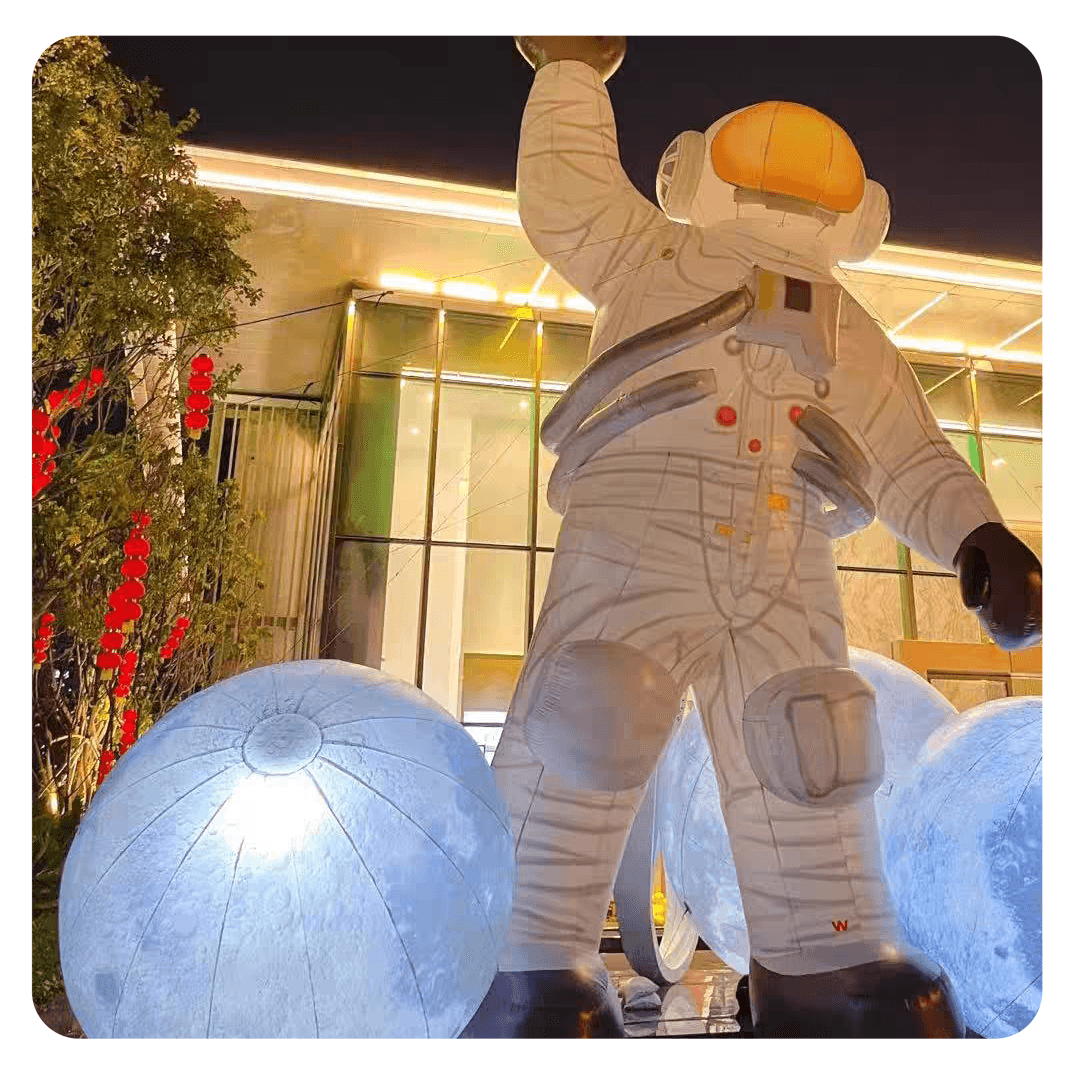
Giant Inflatable Astronaut Spaceman Character Balloon
Oxford Cloth
$780 – $1,150
Free custom design proof
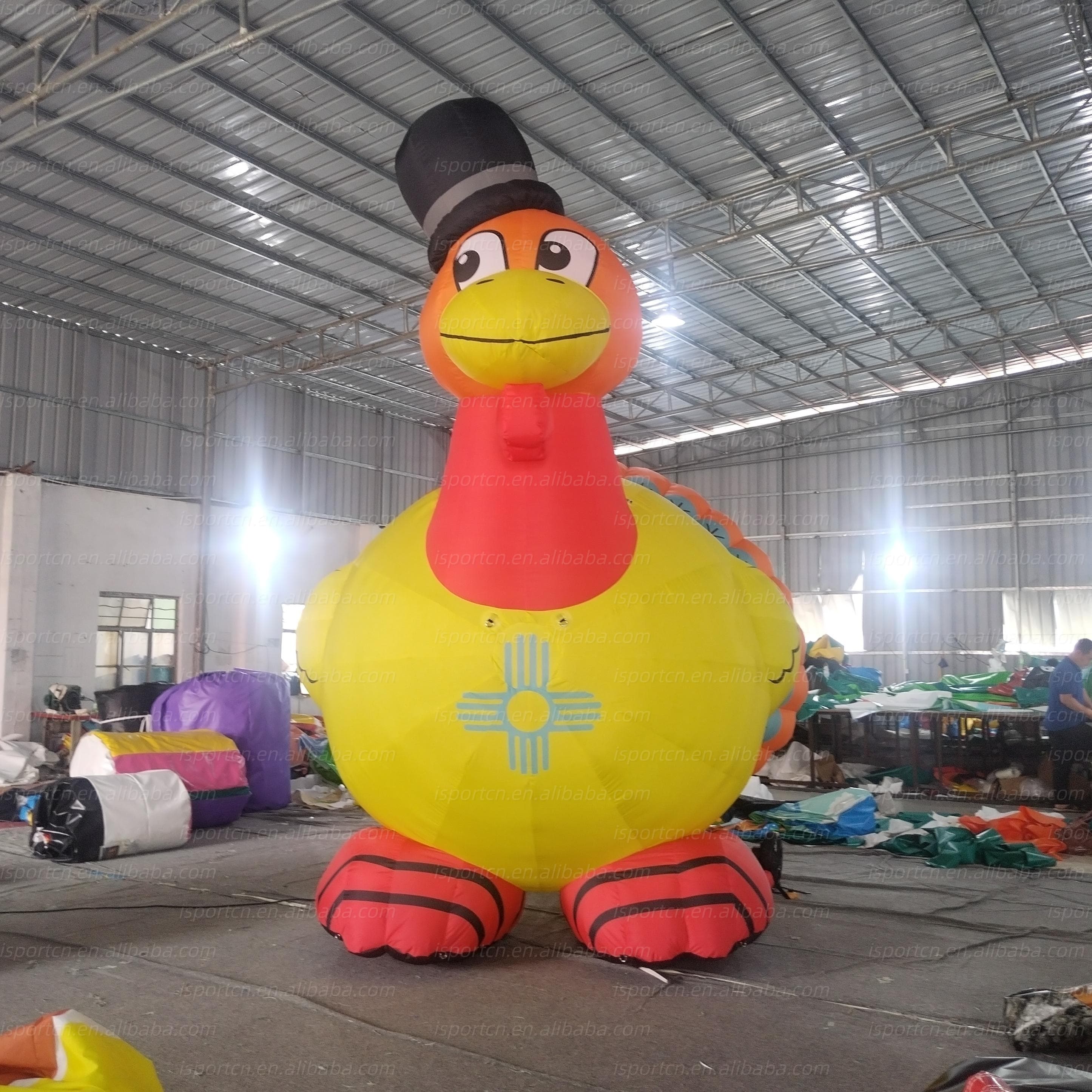
Giant Inflatable Turkey Costume with LED Lights
Oxford Cloth
$735 – $2,165
Free custom design proof
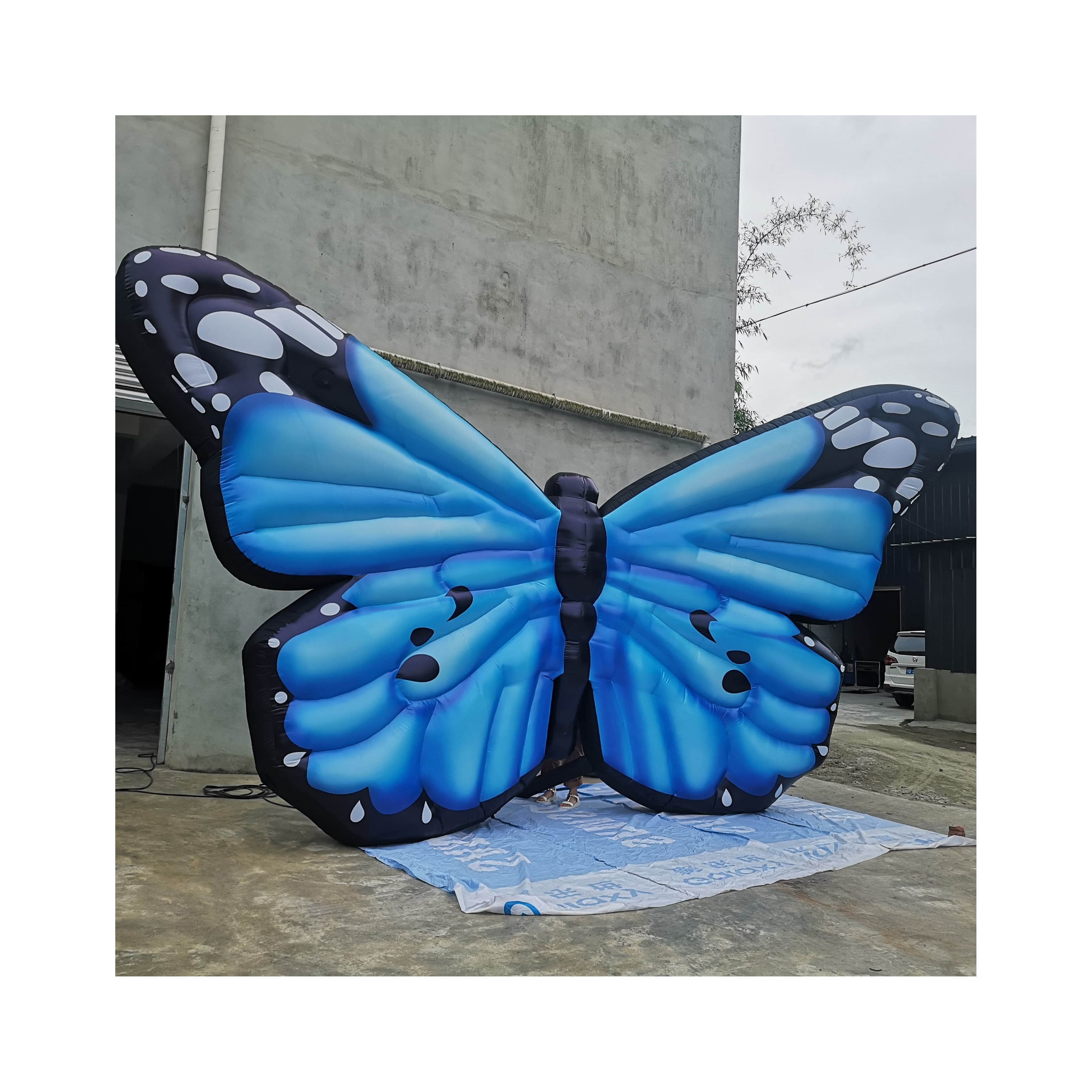
Giant Inflatable Butterfly Wings Costume for Stage and Events
Oxford Cloth
$685
Free custom design proof
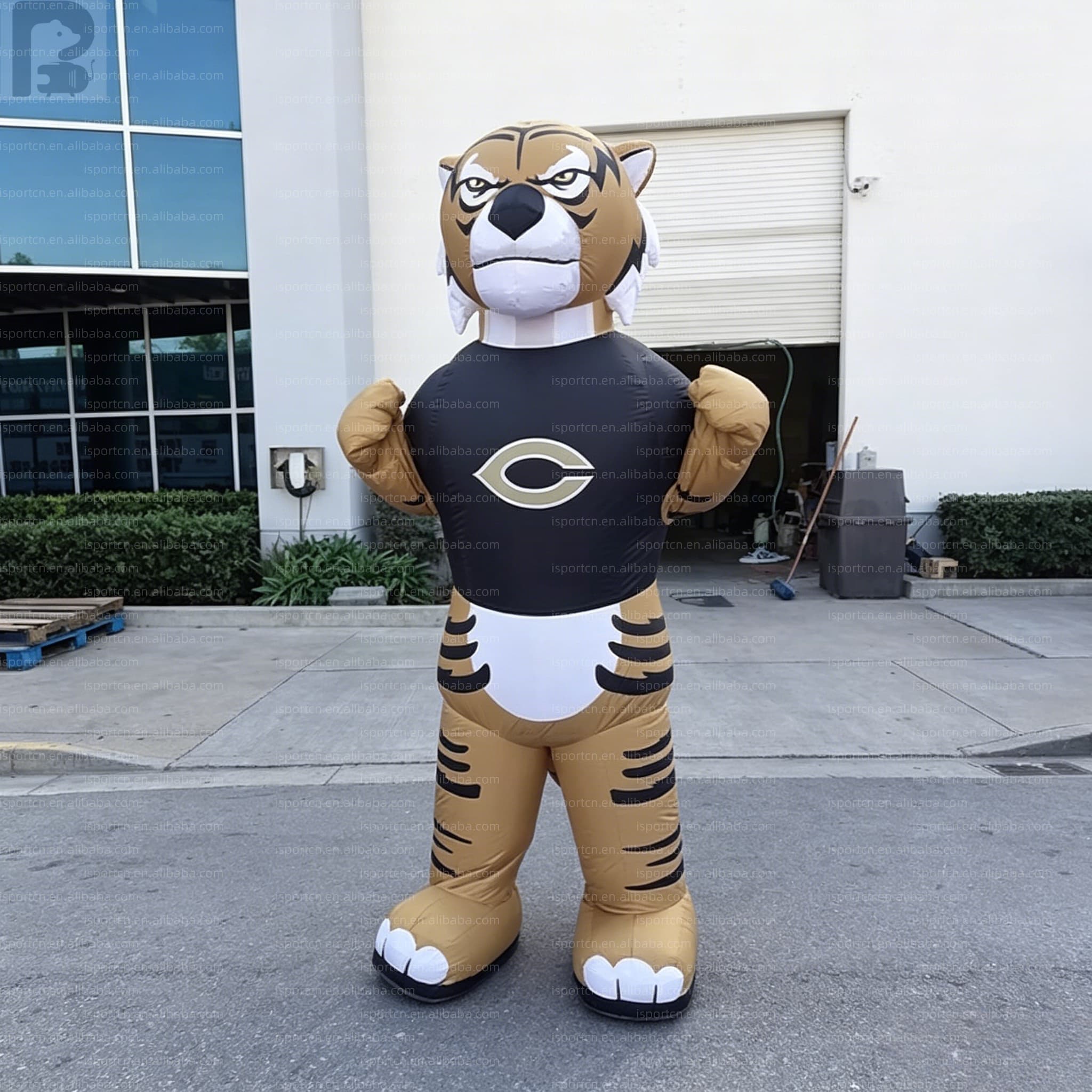 Custom
Giant Custom Inflatable Walking Tiger Mascot Costume
Oxford Cloth
$710 – $1,605
Free custom design proof
 Custom
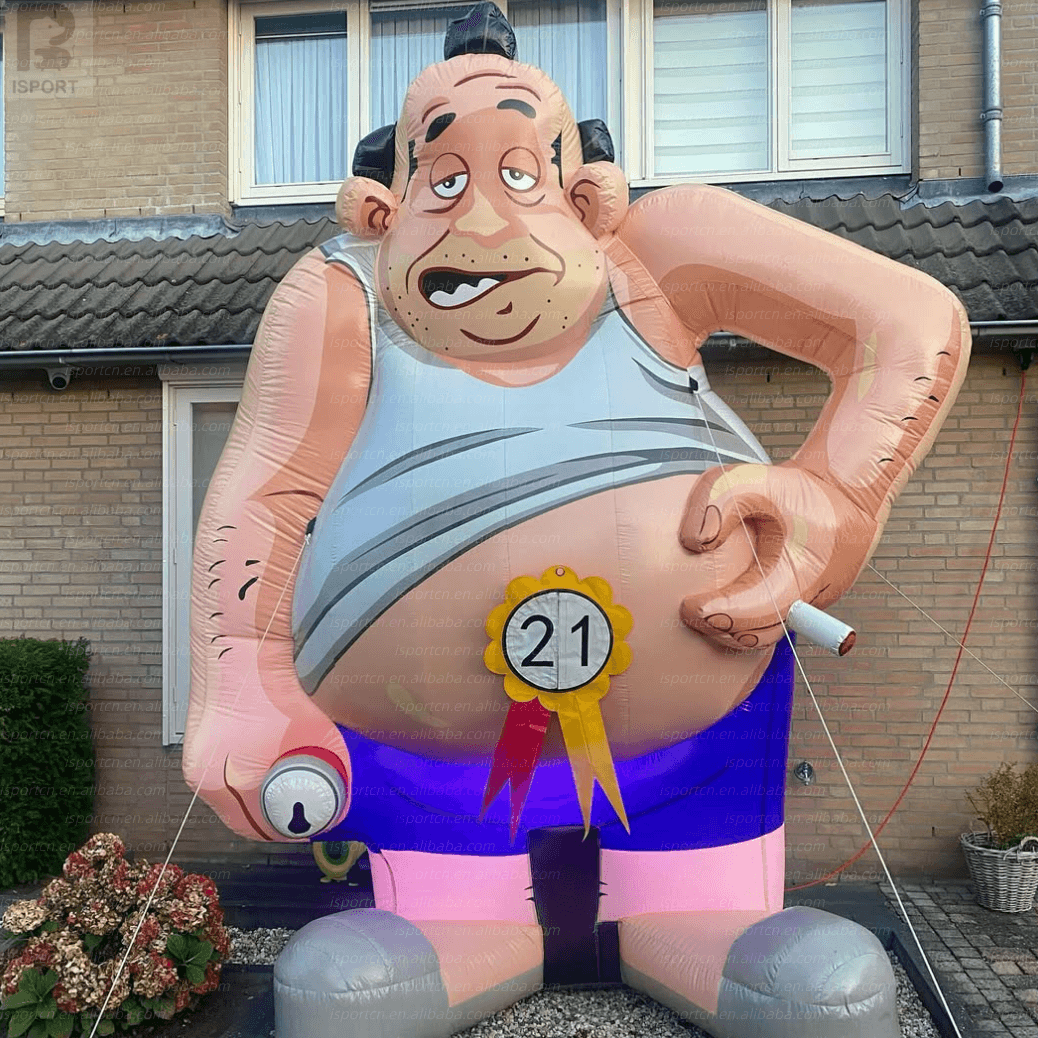
Giant Inflatable Abraham Dutch Worker Character
Oxford Cloth
$600 – $2,035
Free custom design proof
 Custom
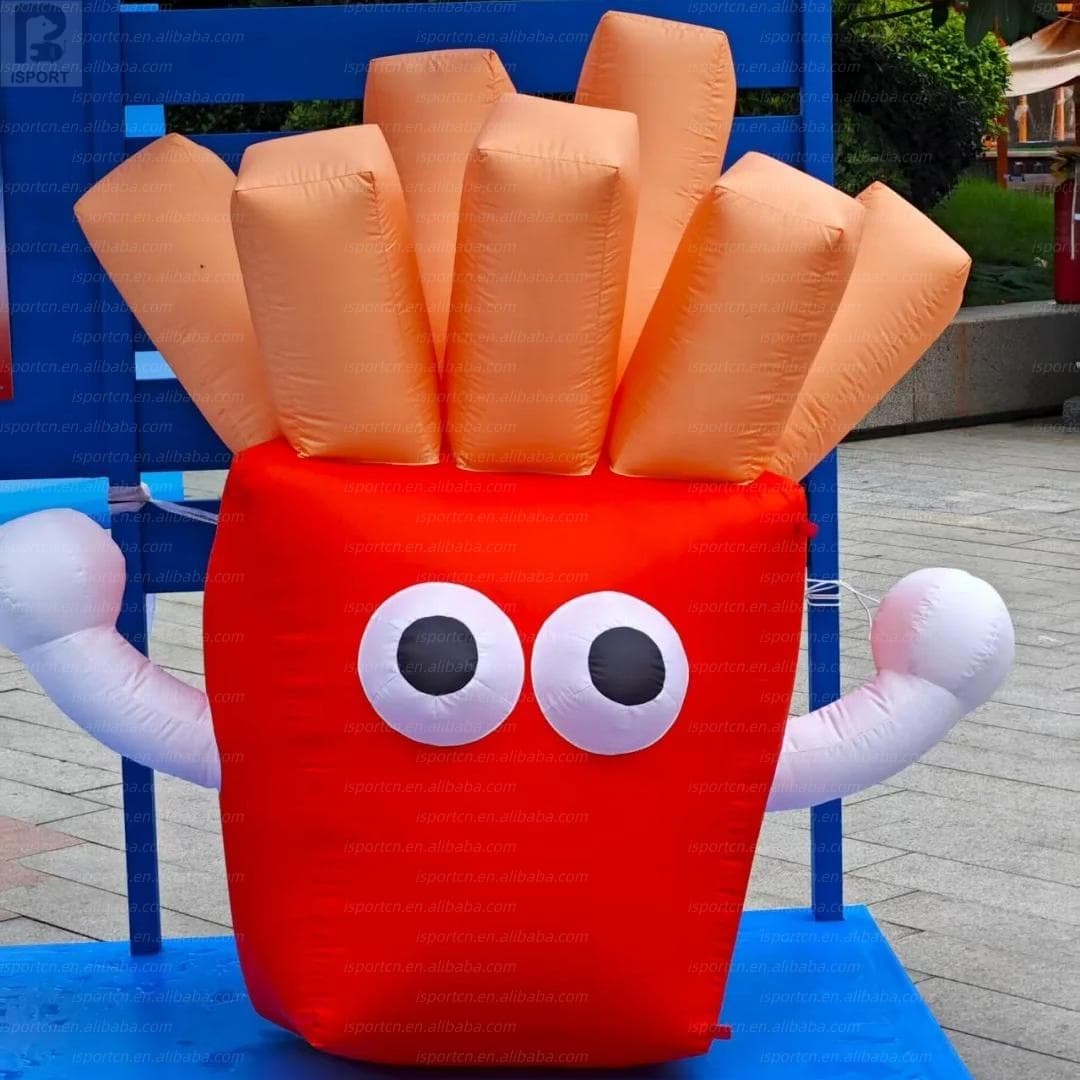
Giant Inflatable French Fries Character with Cartoon Face
Oxford Cloth
$700 – $1,675
Free custom design proof
How they work
A small battery-powered fan keeps the costume inflated continuously while worn. The wearer sees out through a mesh panel and can walk, gesture and pose normally, though peripheral vision and fine movement are limited.
Because the fan runs constantly, battery life determines how long a shift can be. Plan for spare batteries if the character needs to be out all day.
Getting the most out of one
Costumes work hardest where people are already social and camera-ready: festivals, store openings, parades, sports events and family attractions. A roaming character reaches parts of a site a fixed display never will.
Brief your wearer on staying in character, avoiding tight spaces and taking regular breaks. The costume is warm, and visibility is reduced.
Safety and supervision
Always have a spotter with the wearer in busy environments. Reduced peripheral vision around steps, kerbs, vehicles and small children is the main practical risk.
Avoid use in strong wind — a large costume catches wind much like any other inflatable, and the wearer is the anchor.
Frequently Asked Questions
How does the costume stay inflated?
A small battery-powered fan runs continuously while it is worn. Keep spare batteries if the character is out for extended periods.
Can you make our mascot as a wearable costume?
Yes. Send reference artwork and colors and we will produce a custom wearable version. Allow extra lead time for bespoke shapes.
Is one size suitable for any wearer?
Most are designed to fit a broad range of adult heights, but tell us the expected wearer height if you have specific requirements.
How long can someone wear one?
Plan for regular breaks. They are warm inside and visibility is reduced, so shorter rotations with a spotter work better than long continuous shifts.